The Texas wind, and why a hood beats a ball cap

The wind is the one constant on the Texas coast. A southeast fifteen can run for a fortnight without a break from Galveston down to the Lower Laguna, and it changes the answer to almost every gear question people ask us.
A cap is a two handed problem
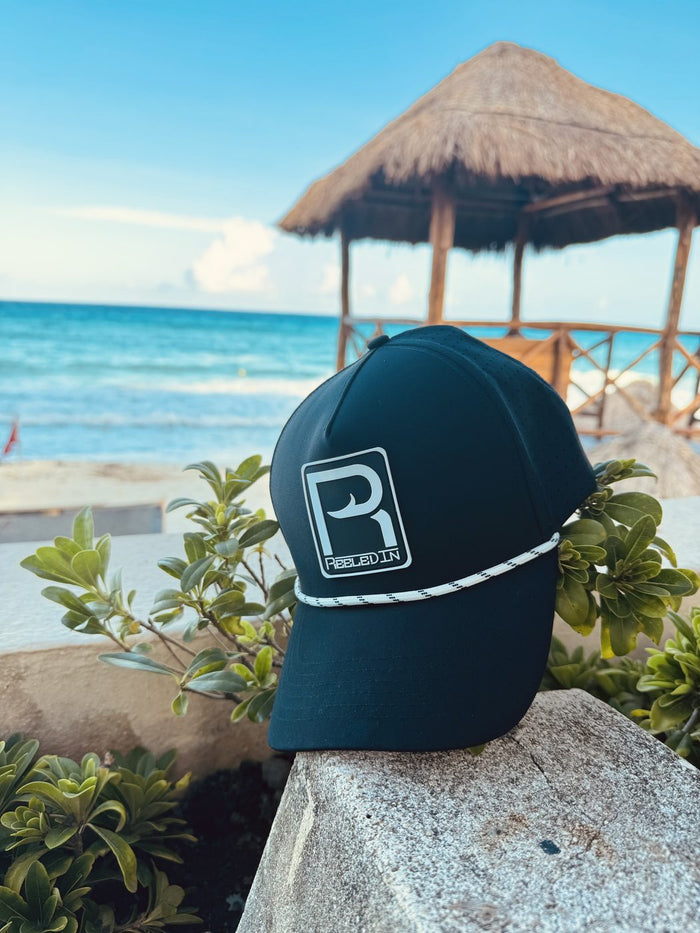
At run speed a ball cap comes off, so you spend the ride with a hand on your head or you watch it go over the transom. A snapback that is set properly holds better than an elastic fitted cap that has been soaked and dried a dozen times, but wind on the bow is still wind on the bow.
A hood solves it differently: it cannot leave, and it goes up and down without you having to put anything down.
Wind moves the glare around
Chop scatters light in every direction rather than reflecting it cleanly, so on a windy day the glare is not one bright patch you can angle away from, it is everywhere. A brim shades from above and does nothing about that. A hood cuts the side light, which is what you are actually fighting on a rough day.
That matters most in the Coastal Bend where you are sight fishing, and it matters everywhere else for simple eye fatigue.
Wind and evaporation
The one gift the wind gives you is evaporation. A quick-dry knit in fifteen knots is genuinely cooling in a way that the same shirt in still Louisiana marsh air is not. Cotton just goes cold and stays wet.
This is why the same shirt feels like a different garment on the Texas coast than it does two hundred miles east.
It is a year round factor
The coast fishes year round here. June through September is the hard sun stretch where UPF stops being optional, and winter fronts drop the water fast and push fish deep, which makes layering matter more than insulation. The wind is in both of those forecasts.
The short version
- Hood for the run, snapback set once and left alone.
- Expect glare from the side on a chop, not just above.
- Quick-dry works with the wind, cotton works against it.
- Layer for winter fronts rather than reaching for bulk.
Gear for it. Have a look at the Texas coast, rope hats and caps or why anglers keep buying rope hats.
Keep reading